Monitor relevant coverage
Bring selected story links and source context into your research or alerting system, with a refresh schedule agreed for the project.
NEWS MONITORING / SOURCE-LED RESEARCH
Follow the story.
Not just the headline.
Story links, video metadata and observed changes, structured for a clearer view of the coverage that matters to you.
FROM THE NEWS PAGE TO YOUR WORKFLOW
Build a defined view of CNN coverage around your companies, markets or research questions. Keep every observation connected to its source.
Bring selected story links and source context into your research or alerting system, with a refresh schedule agreed for the project.
Understand how a topic appears across written stories, video and live coverage without treating them as identical records.
Track headline and metadata changes against the same story. Keep edits, new observations and collection failures distinct.
A DATA MODEL THAT KEEPS THE CONTEXT
Different records answer different questions. Define the fields you need before collecting more pages or adding analysis.
Connect a headline to its own URL, content type and discovery page. Enrich only the fields your research actually needs.
Illustrative schema / not a collected CNN result
{
  "example_only": true,
  "record_type": "story",
  "source": "CNN",
  "url": null,
  "headline": "Regional rail network announces autumn service changes",
  "source_kind": "article",
  "source_section": "travel",
  "source_page": null,
  "published_at": null,
  "updated_at": null,
  "observed_at": null,
  "text_scope": "listing_metadata",
  "full_text_included": false,
  "media_reference": {
    "url": null,
    "credit": null
  }
}
Fictional records and values. No live data request.
Fictional headline and values. A listing is not the full article; author, dates and article text require separately validated sources.
Illustrative delivery schemas, not collected CNN records or a built-in API response. Field availability, source access and intended use are confirmed during scoping.
NEWS DATA HAS MORE THAN ONE CLOCK
A fresh collection timestamp does not make an old story new. Keep source dates and your collection timeline separate.
Use an explicit source timestamp when available. A date in the URL is not an exact publication time.
Preserve the publisher's update time separately. If it is missing, leave it unknown.
Record the snapshot time and source page. This is your evidence window, not the article's age.
COLLECT THE SIGNAL, NOT EVERY PAGE
A useful news pipeline starts with source selection and freshness checks. Browser rendering and AI are not automatic requirements.
Agree editions, sections, content types and collection cadence. A homepage is a changing selection, not a full archive.
Read available listing metadata, deduplicate URLs and keep each image reference with its own story. Enrich approved missing fields separately.
Validate source dates, preserve snapshot history and flag collection gaps. Do not turn a failed request into a false deletion or a quiet news day.
When permitted, parse existing page markup before adding a browser or AI. Homepage metadata does not establish access to the full article, and legacy feeds need a freshness check.
Raw HTML collection referenceFull-text, archive and republication requirements need their own access and rights review. CNN documents content licensing and a Newsource syndication service.
CNN content licensingThe collection route is validated for your scope, not assumed from a sample. Public visibility does not grant reuse rights. No login, subscription or paywall bypass is included.
ONE REQUEST OR A MAINTAINED NEWS DATASET?
Use the API for your own page requests. Choose managed delivery when you need source selection, matching, refresh monitoring and a maintained schema.
Collect accessible public pages across permitted sources, with optional analysis or classification.
A news metadata workflow built around your topics, refresh needs and permitted downstream use.
BEFORE YOU BUILD ON THE DATA
No. Headlines, links, section labels and selected media references can be listing metadata only. Bylines, publication times, article text and live-blog entries require separately validated sources. We do not infer an exact publication timestamp from a URL, or describe a headline-only collection as full-text analysis.
We agree a collection cadence and coverage window, not an unsupported instant-delivery promise. Homepage selections change and may vary by edition. Monitor successful observations, source freshness and failures separately. A response with HTTP status 200 can still contain stale data, and one page cannot establish complete CNN coverage.
Match records using validated source identifiers or normalized URLs, retaining the original URL and discovery context. Preserve observed changes when version tracking is in scope. An edited headline is not automatically a publisher correction, and an item leaving the homepage is not evidence of deletion.
No. Written stories, video pages and live coverage keep separate types. A live-blog link does not contain every update, and a live video channel may not have a fixed runtime. Video downloads, transcripts and individual live-blog entries need a separately agreed access and field scope.
Not when the required metadata is already in permitted HTML or a suitable structured source. Parse the listing first, deduplicate it and enrich only missing fields. Rendering and optional AI are separate steps. A single successful HTML test is not a guarantee for every page, region or future request.
Data collection does not grant republication rights. Public links, media references and access to a page are not a licence for downstream use. CNN offers content licensing and syndication routes. We review the requested fields and intended use before proposing delivery; no login, subscription or paywall bypass is included.
Where the intended processing is permitted, analysis can be added separately with source references and a defined input scope. Publisher sections, publisher labels and derived AI labels remain distinct. A headline-only classification is not an analysis of the full story, and an analysis article is not automatically an AI-generated result.
START WITH YOUR NEWS RESEARCH BRIEF
Share the topics, sections and fields your workflow needs. We will review access, freshness and a sample scope before proposing delivery.
Projects are accepted individually, subject to feasibility and available capacity. An enquiry does not reserve a solution or confirm delivery. Pricing and terms are agreed directly with our team.
We review your brief first. This form does not run a scrape or create a paid task.
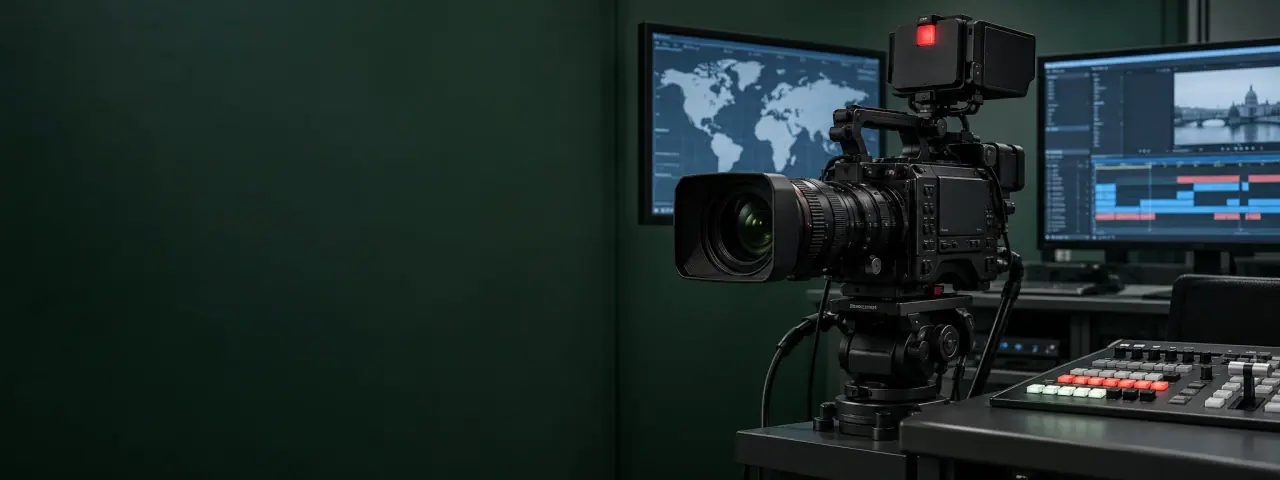
ScrapingBuddy is not affiliated with CNN. The news-production image and dataset examples are illustrative, not CNN premises, footage or actual news records. Collection, analysis and delivery depend on appropriate access and agreed usage rights.